
Your bathroom’s functionality deteriorates gradually. A mirror positioned slightly too high creates daily friction. Poor ventilation allows mold to creep across walls. Inadequate storage forces you to clutch products on the sink edge. A shower that wasn’t waterproofed properly eventually compromises the structure behind the tiles.
These problems compound because most bathroom designs prioritise appearance over the mechanics underneath. Tiles look polished but weren’t selected for actual durability in humid environments. Fixtures were chosen from a showroom catalogue without understanding your plumbing layout or electrical positioning.
Professional bathroom design approaches this differently. A designer starts by understanding how water, air, and electricity flow through your space. They assess what can and cannot be moved. They ask concrete questions about your daily routine and frustrations. From there, they specify materials and positioning that actually perform, not just photograph well.
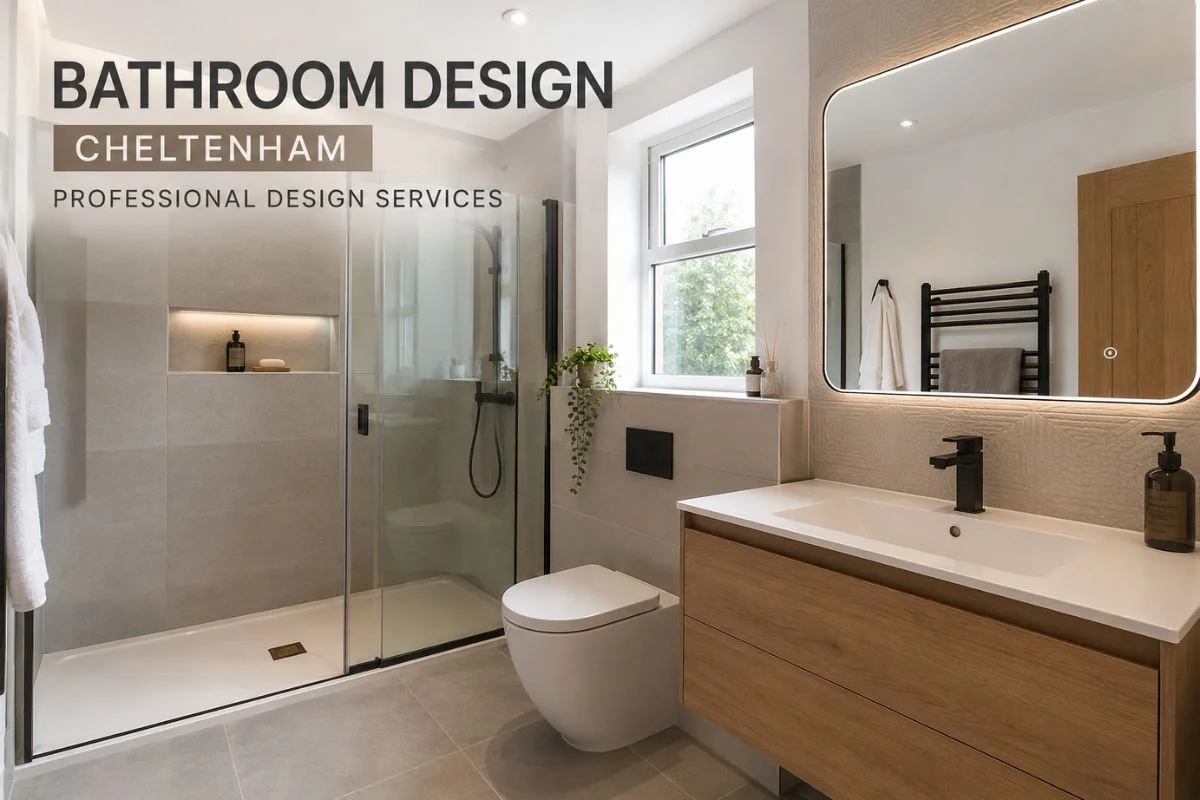
For homeowners considering bathroom design Cheltenham, professional planning can make the difference between a bathroom that simply looks good and one that works properly for years.
Why Bathroom Design Demands Professional Attention
Bathrooms represent 5 to 10 per cent of a property’s resale value. In Cheltenham, where Victorian terraces and Edwardian villas dominate the market, that percentage often reaches higher because buyers scrutinise these older properties for modern conveniences combined with period character.
But the financial argument misses the real point. You use your bathroom twice daily, minimum. Cumulative frustration from poor design compounds over years. A mirror that forces you to bend your neck. Lighting that makes shaving difficult or impossible. A shower enclosure that leaks water across the bathroom floor every time you rinse.
Professional designers eliminate these problems before they materialise. They understand material performance in humid conditions. They know how much ventilation your specific space requires based on its size and exposure. They can create layouts that feel spacious despite physical constraints.
This is where professional bathroom design provides real value. Instead of choosing individual fixtures and finishes separately, every part of the room is considered as part of one cohesive design.
How Professional Design Differs From DIY Approaches
Most people approach bathroom design by browsing images until they find a layout they like, then attempt to recreate it. This fails because every bathroom has unique dimensions, plumbing runs, electrical positions, and structural limitations. A design that works in a new build doesn’t translate to a Victorian terrace with walls that aren’t plumb and pipework routed unpredictably.
Professional designers begin with measurement and diagnosis. They visit the property, document existing infrastructure, identify immovable elements, and understand what modifications are feasible. They photograph the space and take detailed notes about moisture patterns, light quality, and ventilation issues.
They then ask substantive questions. Do you need to shower quickly before work or prefer leisurely baths? Is storage your critical limitation? Do you need vanity lighting for grooming or prefer ambient lighting? Are you maintaining period features or modernising completely?
The design that emerges addresses real constraints and actual needs rather than aspirational images. Materials are selected for performance in wet environments, not just aesthetics. Lighting is layered so you can adjust brightness for different times of day and activities. Ventilation is positioned and specified to prevent mould rather than merely comply with building standards.
In older Cheltenham properties, professional designers also navigate the tension between period authenticity and modern function. A Victorian bathroom doesn’t need to feel dated, but it benefits from design that acknowledges the building’s era rather than fighting it.
Modern Bathroom Design Approaches for Cheltenham Properties
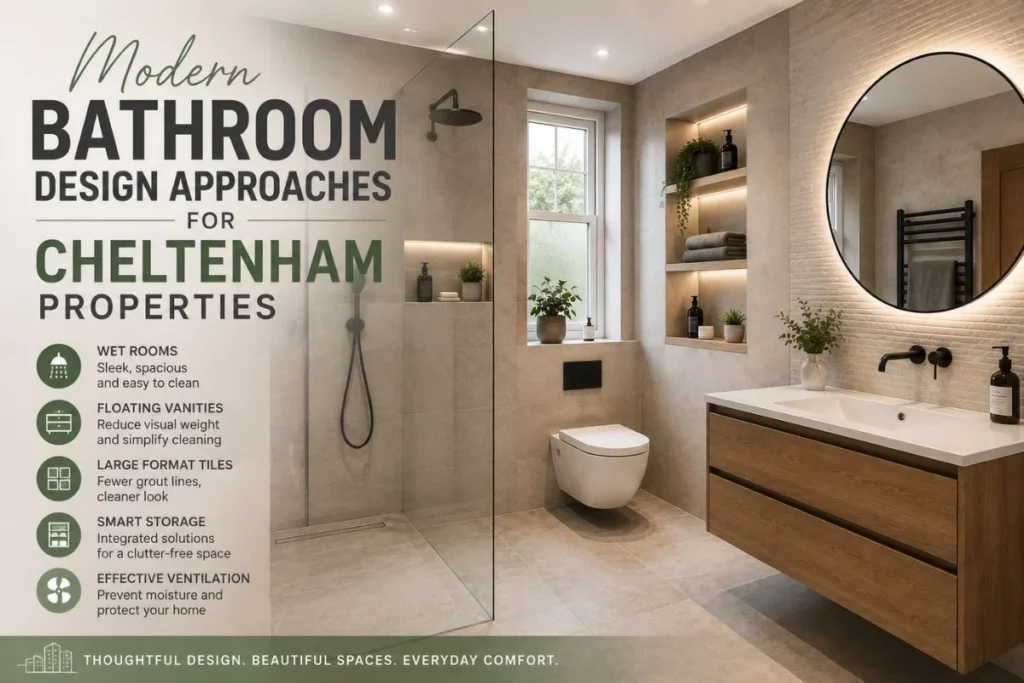
Wet rooms represent one significant shift in modern design. They eliminate the boundary between shower and floor, creating visual spaciousness and easier cleaning. A sloped floor and linear drain manage water without requiring a separate enclosure. This works particularly well in smaller bathrooms where a traditional cubicle would dominate.
Floating vanities and wall mounted toilets reduce visual weight. They also simplify floor cleaning and make bathrooms feel less cluttered. Neither requires abandoning period character if the fixtures and finishes respect your home’s style.
Large format tiles minimise grout lines, which simplifies cleaning and creates cleaner sight lines. Colour selection matters more than most people assume. Warm neutrals feel different from cool greys. Soft terracotta differs from pale sage. The choice shapes how the space feels without requiring radical structural change.
These are practical bathroom design ideas that can be adapted to different property types and personal requirements. The best approach is not necessarily to follow the latest trend, but to select features that improve how your bathroom looks and functions.
Storage integrated into the design prevents surfaces from accumulating clutter. Built in recesses, tall cupboards positioned next to the toilet, or understated shelving keeps essentials accessible without visible disorder. This requires planning at the design stage rather than retrofitting shelves later.
Ventilation receives insufficient attention in most bathroom renovations. A badly positioned extractor or undersized ducting allows moisture to accumulate behind walls rather than exit the building. In larger bathrooms or those without external walls, humidity tolerant materials combined with strategic extraction prevent mold more reliably than extraction alone.
For homeowners looking specifically at modern bathroom design Cheltenham, these considerations are particularly important because modern finishes still need to work with the characteristics and limitations of the existing property.
Working With Bathroom Designers in Cheltenham
Local bathroom designers Cheltenham homeowners work with should understand the area’s building stock, local building control expectations, and which tradespeople reliably execute complex work. They know the specific challenges of Victorian properties versus post war semis versus modern properties.
The process typically unfolds across several phases. An initial consultation involves the designer visiting, understanding your brief and budget, taking measurements, and photographing the existing space. They listen to your frustrations and priorities.
They then prepare a design proposal. This includes floor plans showing the layout from above, elevation drawings showing what each wall will look like, material samples, and a detailed specification naming every product and finish. A good designer explains their reasoning for each choice, not just presenting solutions.
Once you approve the design, the designer typically manages the build phase. They source materials, coordinate contractors, and ensure the finished work matches the design. This single point of contact reduces miscommunication and prevents trades from making ad hoc decisions that compromise the design.
Timescale varies by scope. A straightforward refresh with new fixtures and finishes takes four weeks. A more involved renovation with partition changes or plumbing relocation extends to eight weeks. Costs range from £3,000 to £5,000 for basic updates, £8,000 to £15,000 for comprehensive renovations, and higher for luxury specifications. A professional designer helps you understand where expenditure creates genuine improvement versus where it merely increases expense.
At Hayden Property Development, bathroom projects can be approached with the wider property in mind, helping ensure the design, renovation work and practical requirements work together rather than being treated as separate decisions.
Making Bathroom Investment Decisions
Professional bathroom design prevents costly mistakes. A mirror positioned without considering light angles wastes money. Plumbing routed without coordination creates pressure imbalances. Ventilation specified incorrectly allows structural damage that becomes apparent years after completion.
Conversely, good design creates spaces that function well and last. Materials survive humid conditions. Layouts accommodate your actual routine rather than forcing compromises. The space appreciates in value and improves your daily experience.
If your bathroom feels dated, cramped, or unreliable, professional design offers a concrete path forward. Whether you’re planning a complete overhaul or a thoughtful update, bathroom designers Cheltenham homeowners can work with can help ensure your investment delivers genuine improvement.
The result is a space that functions beautifully, lasts reliably, and increases your home’s appeal to future buyers. More importantly, you enjoy using it every day.
Frequently Asked Questions
How long does a bathroom design consultation take?
An initial consultation typically runs 60 to 90 minutes. The designer tours your space, takes measurements, documents existing conditions, and discusses your needs and budget. They photograph the space from multiple angles. Follow up communication happens via email or phone to clarify details. You shouldn’t feel rushed during this phase.
Can I keep existing fixtures if I love them?
Yes, though this complicates the design. A designer can build a new layout around an existing fixture you want to retain. However, if the fixture is positioned awkwardly or doesn’t coordinate aesthetically with other elements, the designer will usually recommend replacement. Sometimes the cost of working around an existing fixture exceeds the cost of replacing it.
What if I hate the proposed design?
Good designers welcome revision. The design proposal stage exists partly to catch misalignment before construction. If something doesn’t work for you, request changes. A professional designer will modify the proposal rather than proceed with something you don’t like. Be specific about what’s wrong so they understand your actual concern.
Are period features compatible with modern bathrooms?
Yes, and this is precisely where good design matters. A Victorian bathroom doesn’t need to look dated. You can use modern fixtures and finishes while respecting architectural details like original tile patterns, period appropriate colour palettes, or restored original features. The goal is integration rather than contrast.
What’s the difference between a designer and a builder?
A designer creates the plan. A builder executes it. Some professionals do both. However, a designer who also builds sometimes skips detailed planning because they’re comfortable improvising during construction. A dedicated designer creates comprehensive specifications that any competent builder can execute consistently.
How do I choose materials that won’t stain or degrade?
Ask your designer about material performance in humid environments. Porcelain tile resists staining better than ceramic. Matte finishes hide water spots better than high gloss. Natural stone requires sealing and regular maintenance. Engineered stone doesn’t. These aren’t aesthetic preferences, and they’re material science. Your designer should explain performance implications alongside aesthetic appeal.
Can I do a bathroom renovation without a designer?
You can, but you’ll likely make costly mistakes. Most people lack experience assessing plumbing feasibility, ventilation requirements, and fire safety codes. They guess on finishes and layouts rather than designing systematically. The result often feels cramped or impractical. A designer costs money upfront but prevents more expensive problems later.
What happens if the build exceeds the timeline?
Delays happen. Weather affects some work. Suppliers miss delivery dates. Tradespeople get called to other jobs. A professional designer has contingency built into the timeline and communicates honestly when delays occur. Specify how you’ll be notified and how the designer will keep you updated.
Are there permits required for bathroom renovation?
This varies by scope. Cosmetic updates don’t typically require permits. Major changes to plumbing, electrical, or structure do. Your designer should clarify what your specific project requires. In Cheltenham, building control typically must approve any significant work. Don’t skip this step to save time, and enforcement later costs far more.
Planning Your Bathroom Design in Cheltenham
A well planned bathroom should do more than look attractive. It should make everyday routines easier, use space efficiently, manage moisture effectively and complement the character of your property. Whether you are considering a modern update or a complete renovation, professional planning can help you avoid expensive mistakes and achieve a more practical result.
If you’re ready to improve your bathroom, contact us today to discuss your ideas, or book a consultation to start planning your bathroom design in Cheltenham.